How Much Does It Cost to Buy a Private Jet in 2026?
The full purchase price, the annual ownership bill, and the math that tells you whether buying beats chartering.
What You’ll Learn:
- ✈️ Real purchase prices for every jet category, new and used
- 💰 The annual cost of owning a private jet, broken down line by line
- 📉 How depreciation quietly becomes your biggest expense
- ⚖️ The break-even point where buying beats chartering
- 💡 Smart alternatives if 200+ flight hours a year isn’t realistic
Searching for the cost to buy a private jet returns wildly different numbers — $2 million from one source, $90 million from another. Both are right. Private jet prices span an enormous range, and the purchase figure tells only part of the story. The real cost of ownership is a recurring annual bill that surprises most first-time buyers.
This guide gives you honest 2026 numbers: what you pay to acquire the aircraft, what you pay every year to keep it flying, and how depreciation reshapes the entire equation. By the end, you’ll know whether buying makes financial sense for your travel pattern — or whether chartering and empty leg flights deliver the same lifestyle for a fraction of the commitment.
What Determines a Private Jet’s Price
A jet’s price is driven by three factors: cabin size, range, and age. Understanding how these interact prevents you from overpaying — or buying too little airplane.
Cabin Size and Category
Aircraft are grouped into categories by cabin volume and passenger capacity. A very light jet seats four to five and crosses two time zones. An ultra-long-range jet seats 14 to 19 and flies nonstop between continents. Each step up the ladder roughly doubles the purchase price.
Range and Performance
Range is expensive. The engineering, fuel capacity, and aerodynamics required to fly 7,000+ nautical miles nonstop command a steep premium. A jet that crosses the Atlantic without stopping costs several times more than one that needs a fuel stop in Iceland.
Age and Condition
A pre-owned jet with 4,000 hours on the airframe and recent engine overhauls can cost 40% less than its new equivalent — while flying nearly identically. Age affects price more than almost any factor except category, which is why the used market is where most value lives.
Private Jet Purchase Prices by Category (2026)
Here’s what you’ll pay to acquire an aircraft in each category, new from the manufacturer and on the pre-owned market.
| Category | Example Models | New Price | Used Price | Seats | Range (nm) |
|---|---|---|---|---|---|
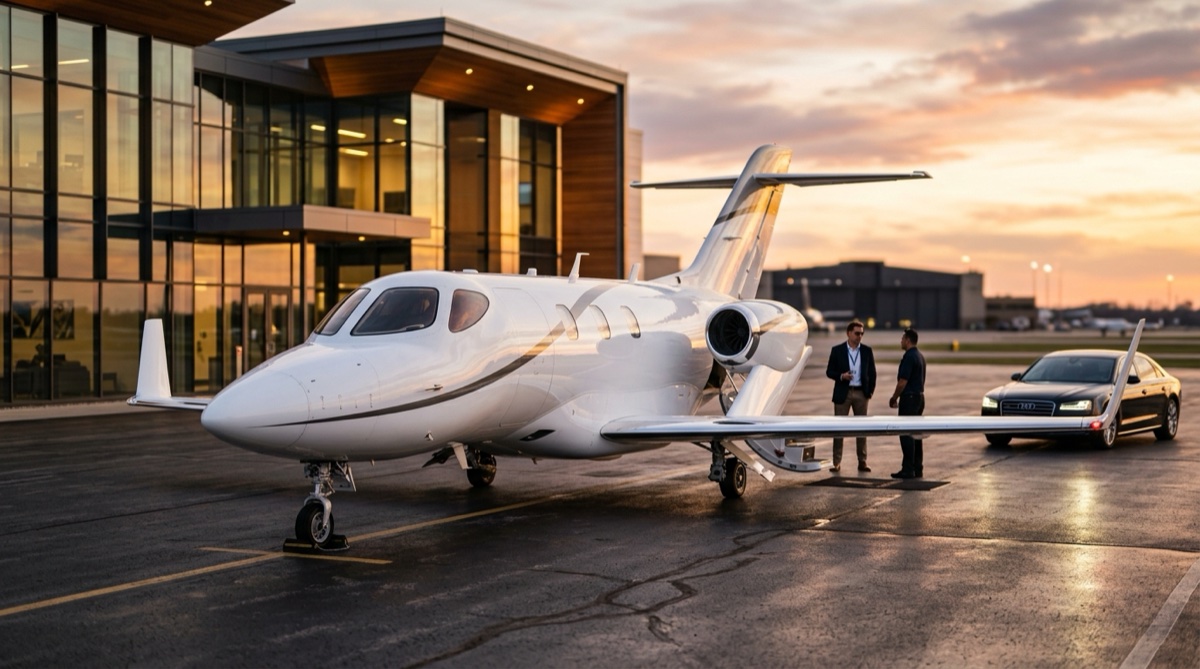
| Very Light Jet | Cirrus Vision Jet, HondaJet Elite II | $3M–$7M | $1.5M–$5M | 4–6 | 1,200–1,500 |
| Light Jet | Citation CJ4, Phenom 300E | $9M–$13M | $3M–$9M | 6–8 | 1,800–2,200 |
| Midsize Jet | Citation Latitude, Learjet 75 | $14M–$20M | $4M–$13M | 7–9 | 2,500–3,000 |
| Super Midsize | Challenger 3500, Citation Longitude | $26M–$32M | $9M–$22M | 9–10 | 3,400–3,900 |
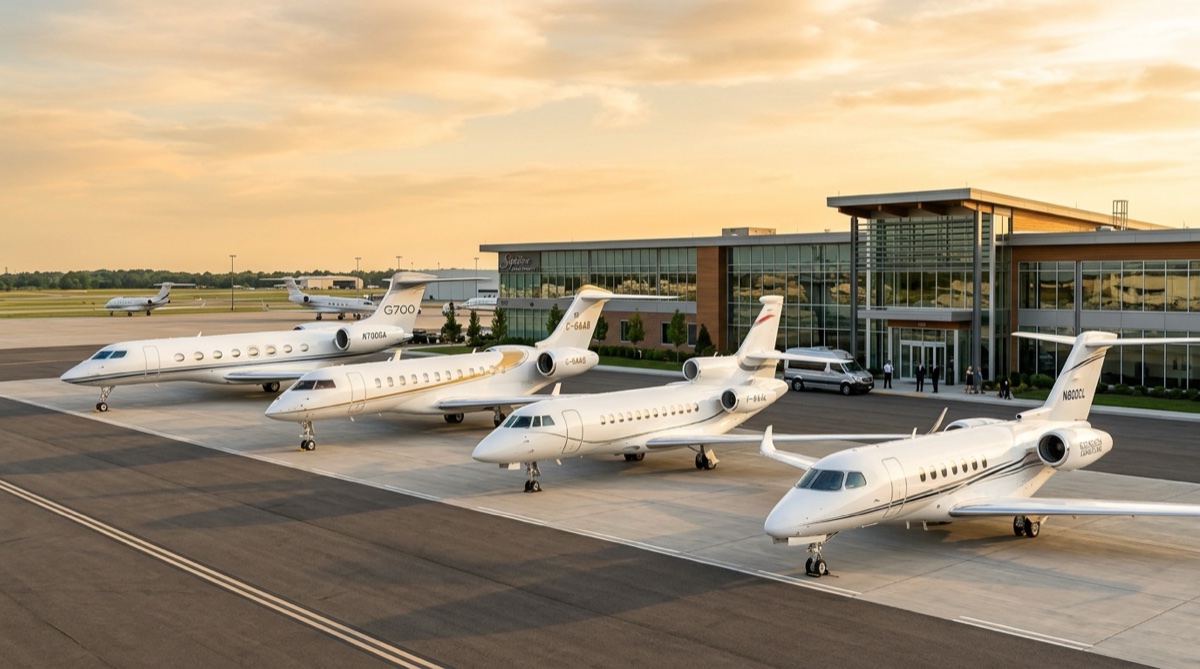
| Heavy Jet | Gulfstream G500, Falcon 2000LXS | $35M–$50M | $12M–$35M | 12–14 | 4,000–5,500 |
| Ultra Long Range | Gulfstream G800, Global 8000 | $70M–$80M | $35M–$65M | 14–19 | 7,000–8,000 |
Prices are estimates based on market data as of June 2026. Actual costs vary by year, condition, equipment, and hours on the airframe.
For deeper model-by-model breakdowns, see our guides to the best light jets and best midsize jets, or compare flagships in the Gulfstream models comparison.
What “Used” Really Means
A used jet isn’t a compromise. Most pre-owned aircraft are meticulously maintained under mandatory inspection programs, with full logbooks documenting every hour. A 2018 super-midsize jet with current avionics and fresh engines can outperform expectations while saving you $10 million or more versus new.
The Annual Cost of Owning a Private Jet
The purchase price is the entrance fee. Ownership is a subscription you pay forever. Plan for annual costs equal to 10–15% of the purchase price every single year.
Fixed Costs (You Pay These Even If You Never Fly)
Fixed costs continue whether the jet sits in the hangar or circles the globe. They include the crew salaries, the roof over the aircraft, and the policy that protects it.
- Crew: Two pilots cost $200,000–$450,000 per year in salary, training, and benefits
- Hangar: $30,000–$120,000 annually depending on location and aircraft size
- Insurance: $20,000–$120,000 per year based on hull value and pilot experience
- Management fees: $80,000–$200,000 if you use a management company
Variable Costs (Driven by How Much You Fly)
Variable costs scale with flight hours. The more you fly, the more you spend on fuel, maintenance reserves, and en-route fees.
- Fuel: $1,500–$5,000 per flight hour depending on aircraft size
- Maintenance and engine reserves: $400–$2,000 per flight hour set aside for overhauls
- Landing, handling, and navigation fees: $500–$3,000 per trip
Sample Annual Ownership Costs
Here’s what a realistic year looks like at 200 flight hours per category.
| Category | Purchase Price | Fixed Costs/Yr | Variable Costs/Yr | Total Annual Cost |
|---|---|---|---|---|
| Light Jet | $9M | $350,000 | $400,000 | ~$750,000 |
| Midsize Jet | $15M | $480,000 | $600,000 | ~$1,080,000 |
| Super Midsize | $28M | $650,000 | $900,000 | ~$1,550,000 |
| Heavy Jet | $45M | $850,000 | $1,400,000 | ~$2,250,000 |
| Ultra Long Range | $75M | $1,200,000 | $2,300,000 | ~$3,500,000 |
Estimates based on 200 flight hours/year and market data as of June 2026. Excludes depreciation. Actual costs vary widely by usage, base, and management structure.
These figures echo the surprises charter clients face. Many of the same line items appear in our breakdown of hidden costs of private jet charter — the difference is that owners absorb every one of them directly.
💡 Not ready for a seven-figure annual commitment? Browse current empty leg deals → and fly the same aircraft without owning one.
Depreciation: The Cost Nobody Talks About
Fuel and crew get the headlines. Depreciation quietly does the most damage. A new jet can shed 10–15% of its value the moment it leaves the delivery center and lose 35–50% over five years.
Why New Jets Lose Value Fastest
The steepest depreciation hits in years one through three. Buy a $45 million heavy jet, fly it for three years, and you might sell it for $32 million — a $13 million loss before counting a dollar of operating cost. This is the core argument for buying pre-owned.
How to Protect Resale Value
Some models hold value better than others. Aircraft with strong brand reputations, large support networks, and proven reliability — many Gulfstream and Bombardier models, for instance — depreciate more gently. Buyers researching the latest deliveries should read our guide to the newest private jets in 2026 to understand which models retain value.
The Total Cost of Ownership Picture
When you add depreciation to operating costs, a $15 million midsize jet flown 200 hours a year can easily cost $1.8–$2.2 million annually all-in. That works out to roughly $9,000–$11,000 per flight hour — often more than chartering the same aircraft.
Buying vs. Chartering: The Break-Even Math
The decision comes down to one number: how many hours you fly per year. Below the break-even point, ownership is the most expensive way to fly.
The 200–250 Hour Rule
Industry advisors generally agree that full ownership makes financial sense above 200–250 flight hours per year. The National Business Aviation Association (NBAA) and aircraft brokers cite similar thresholds. Below that, fixed costs are spread across too few hours, and each hour becomes punishingly expensive.
What Most Buyers Actually Fly
Here’s the uncomfortable truth: the average private jet owner flies only 100–150 hours per year. At that usage, a charter or fractional arrangement is almost always cheaper. The lifestyle is identical; the balance sheet is not.
Buy vs. Charter at a Glance
| Factor | Full Ownership | Charter |
|---|---|---|
| Upfront cost | $3M–$80M | $0 |
| Annual commitment | $700K–$3.5M+ | Pay per flight |
| Best for | 200+ hours/year | Under 200 hours/year |
| Aircraft choice | One aircraft | Any aircraft, any trip |
| Resale risk | High (depreciation) | None |
| Crew & maintenance | Your responsibility | Operator’s responsibility |
If you fall below the threshold, compare the middle-ground options in our guide to charter vs. fractional vs. jet card. And for a full picture of charter economics, see how much a private jet costs.
Smart Alternatives to Full Ownership
You don’t have to choose between a $50 million purchase and nothing. Several models give you ownership-like access without the full burden.
Fractional Ownership
You buy a share — typically 1/16 to 1/2 — of a specific aircraft and receive a guaranteed number of flight hours per year. You get equity and consistent access without sole responsibility for crew and maintenance. It suits 50–200 hours of annual flying.
Jet Cards and Memberships
Prepay for a block of hours at a fixed hourly rate with guaranteed availability. No equity, no depreciation, no resale risk — just predictable access. Explore the leading programs in our private jet membership programs guide.
Charter and Empty Legs
For occasional flyers, on-demand charter remains the most flexible and lowest-commitment option. Empty leg flights — repositioning legs sold at 25–75% off — make private travel dramatically more affordable. Check our live empty leg listings or browse vetted operators in the private jet directory.
Pro Tips Before You Buy
- ✅ Hire an independent aircraft broker and technical inspector. Never rely solely on the seller’s representations or logbooks.
- ✅ Budget for the second year, not just the first. Year-two maintenance events and inspections often dwarf the honeymoon costs.
- ✅ Model your true annual hours honestly. Optimistic usage estimates are the number-one cause of buyer’s remorse.
- ✅ Compare total cost of ownership, not sticker price. A cheaper airframe with thirsty engines can cost more over five years.
- ⚠️ Factor depreciation into every projection. It’s frequently the largest single line item in the ownership budget.
- 💡 Consider chartering the model first. Fly your shortlist before committing eight figures to one aircraft.
Frequently Asked Questions
How much does it cost to buy a private jet in 2026?
Purchase prices range from about $3 million for a very light jet to over $75 million for an ultra-long-range flagship. A used midsize jet typically runs $4–9 million. The sticker price is only the start — annual ownership adds 10–15% of the purchase price every year.
What is the cheapest private jet you can buy?
New very light jets like the Cirrus Vision Jet or HondaJet start around $3–7 million. On the used market, older light jets such as a Citation CJ1 can sell for under $2 million, though older airframes carry higher maintenance and fuel costs that erode the savings.
How much does it cost to own a private jet per year?
Annual ownership runs roughly $700,000 to $4 million depending on the aircraft. Fixed costs (crew, hangar, insurance) and variable costs (fuel, maintenance, fees) typically total 10–15% of the purchase price each year, before factoring in depreciation.
Is it cheaper to buy or charter a private jet?
Chartering is cheaper unless you fly more than roughly 200–250 hours per year. Below that threshold, ownership’s fixed costs make each hour far more expensive than a charter rate. Many owners fly 100–150 hours annually, which is why fractional and charter models exist.
Should I buy a new or used private jet?
Used jets cost 30–60% less upfront and avoid the steepest first-years depreciation. New jets offer warranties, the latest avionics, and lower early maintenance. Buyers flying often who value reliability lean new; cost-focused buyers usually find better value in a well-maintained pre-owned aircraft.
How fast does a private jet depreciate?
A new private jet can lose 10–15% of its value in the first year and roughly 35–50% over five years. Depreciation is often the single largest ownership cost — frequently exceeding fuel and maintenance combined — which is why resale value matters when choosing a model.
Can you make money chartering out a private jet you own?
Yes, through a management company that places your jet on its charter certificate. Charter revenue can offset 30–60% of fixed costs, but it adds wear, scheduling constraints, and management fees. It rarely makes ownership profitable — it simply softens the annual loss.
The Bottom Line
Buying a private jet costs far more than the price tag suggests. Between purchase, annual operating expenses, and depreciation, even a modest midsize jet can demand $1.8 million or more every year. The decision hinges almost entirely on how much you fly: above 200–250 hours annually, ownership earns its keep. Below it, you’re paying a premium for an asset that sits idle.
For most travelers, the smarter path is access without ownership — fractional shares, jet cards, on-demand charter, and empty legs. You get the same cabins, the same crews, and the same FBO experience without the eight-figure commitment or the depreciation bleed.
Ready to fly private without buying? Browse current empty leg deals → for flights at up to 75% off, or contact our team for a tailored charter quote on any route.